My Data Voyage
QA Lead Transitioning to Data Science | Cambridge Level 7 Certificate 2025 | Python + ML/NLP Portfolio
Featured Projects
Capstone Project (University of Cambridge 2025) - Prototype G-SIB Risk Assessment System
Built an end-to-end prototype analysing 81 public quarterly financial reports & earnings-call transcripts of three Global Systemically Important Banks (2023–2025). Combined advanced NLP (FinBERT, FinLLaMA, BERTopic, VADER) with structured financial metrics extraction and ARIMA forecasting. Produced an interactive dashboard presenting regulatory-style risk insights. Technologies: Python, FinBERT, VADER, BERTopic, GPT-2, ARIMA modelling, Sentence Transformers, BART, HDBSCAN clustering. Prototype built using only publicly available data – no affiliation with or delivery to the Bank of England.
NLP Customer Review Sentiment Analysis for Wellness Centre
Developed an NLP solution to analyse customer feedback sentiment. Implemented text preprocessing techniques and trained a BERT-based model to classify sentiment with 92% accuracy. Technologies: Python, NLTK, Transformers, PyTorch.
Technologies: Python, NLTK, Transformers, PyTorch.
Project Portfolio
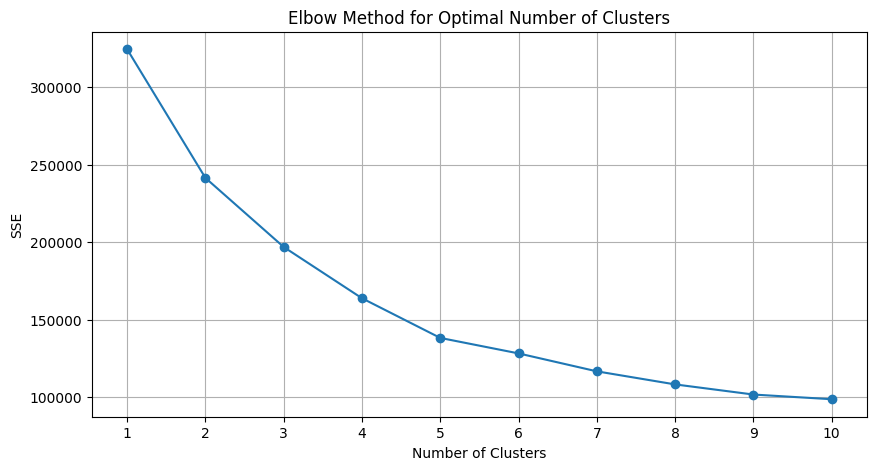
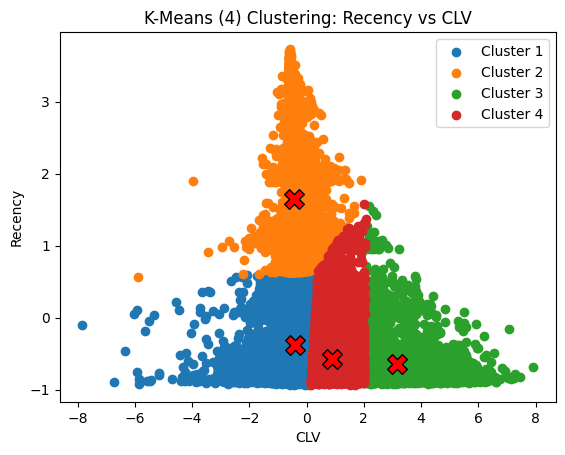
Customer Segmentation
Analysed a dataset through exploration and preprocessing, conducted feature engineering, determined the optimal number of clusters (k), and applied machine learning models to segment customers effectively.
Technologies: Python, Scikit-learn, Pandas, Clustering Algorithms
Student Dropout Prediction
Conducted phased data exploration, preprocessing, and feature engineering. Built and compared predictive models using XGBoost and a neural network to forecast student dropout rates with high accuracy.
Technologies: Python, XGBoost, TensorFlow, Pandas
Statistical Hypothesis Testing
Applied statistical hypothesis testing to evaluate organisational data scenarios. Explored the differences between correlation and causation in data analysis.
Technologies: Python, Statistical Methods
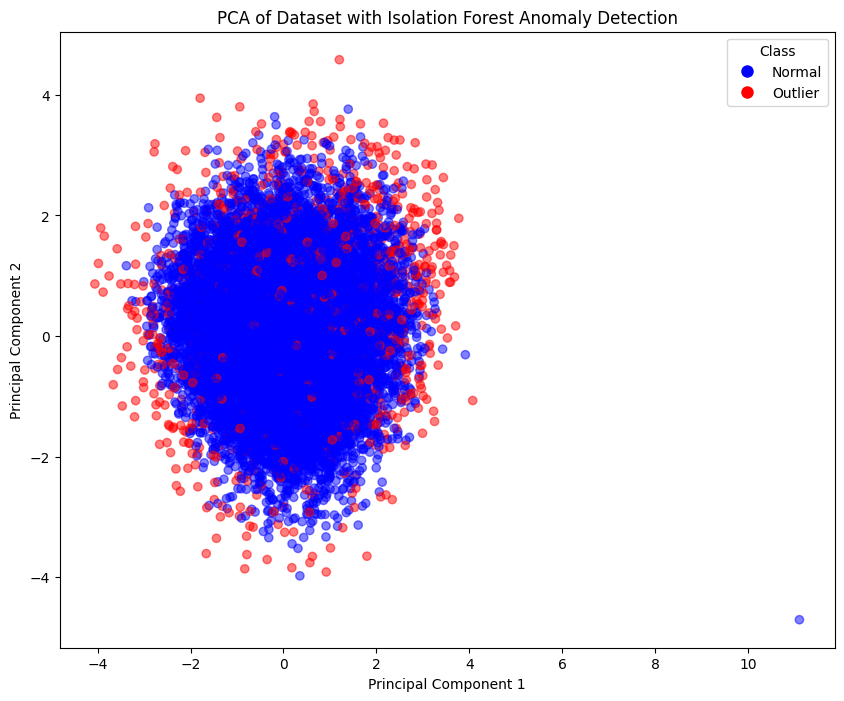
Anomaly Detection
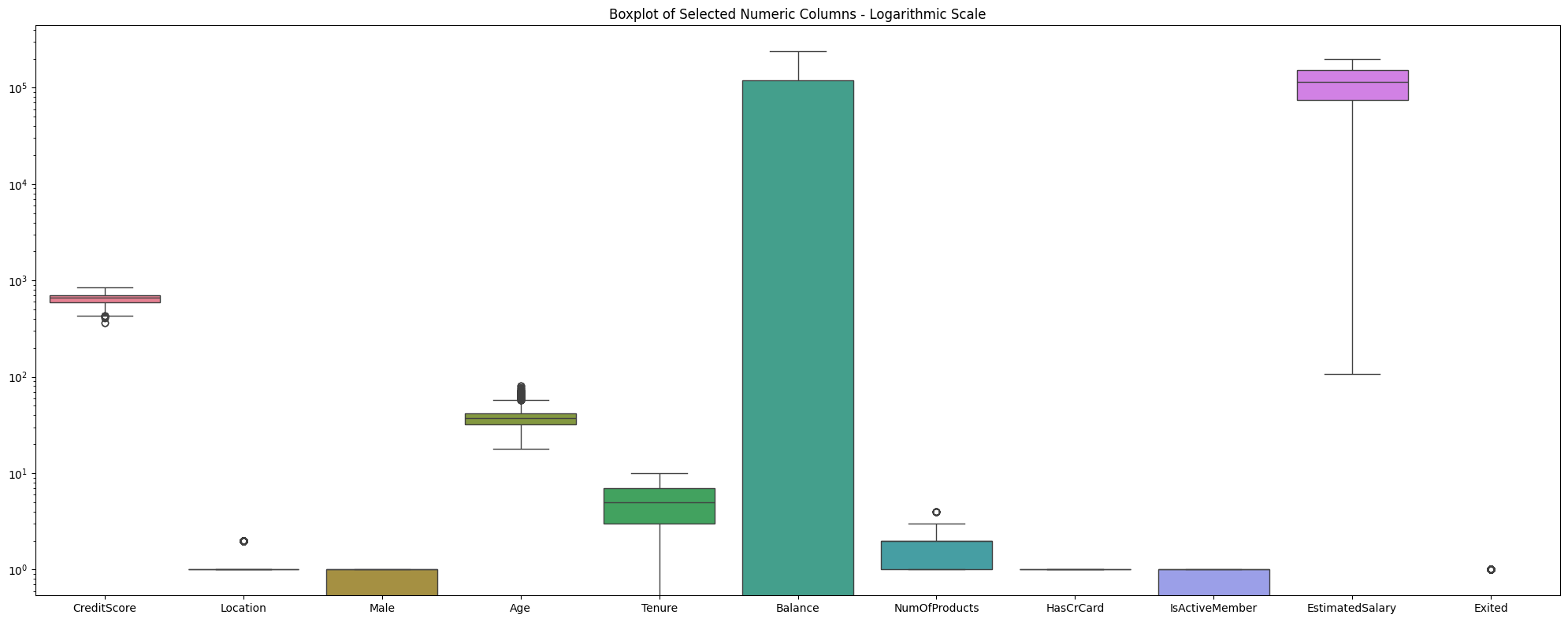
Explored a dataset to identify patterns, preprocessed data, and performed feature engineering. Applied statistical techniques and machine learning algorithms to detect anomalies, followed by a detailed report summarising findings and recommendations.
Technologies: Python, Pandas, Scikit-learn, Statistical Methods
Time Series Forecasting
Analysed historical sales data using time series decomposition, feature engineering, and ARIMA modeling to forecast future demand. Achieved 15% improvement in forecast accuracy over baseline methods.
Technologies: Python, Statsmodels, Prophet, Pandas
Neural Network Project
Designed and implemented a deep neural network architecture from scratch. Applied forward and backward propagation algorithms, optimised hyperparameters, and achieved state-of-the-art performance on classification tasks.
Technologies: Python, TensorFlow, Keras, NumPy, Matplotlib
Explore More
 Movie Review Sentiment Classification System
 Advanced Neural Network Architecture Visualisation
 Interactive Neural Network Learning Demonstrator
 Hyperparameter Optimisation Visual Analytics
 Foundation Neural Network Model Explorer
 Deep Learning Network Implementation Framework
 Automated Hyperparameter Tuning Pipeline
 Comprehensive Model Evaluation Metrics Suite
 Gradient Descent Optimiser Comparative Analysis
 Titanic Survival Prediction Neural Network
 Supervised Learning Algorithm Implementation
 Advanced Time Series Forecasting Models
 Customer Behavioural Segmentation Analytics
 Maritime Engine Anomaly Detection System
 Statistical Hypothesis Testing Framework
 Student Retention Predictive Analytics
 Advanced NLP Sentiment Classification Engine
 Custom Deep Learning Architecture Design
 Baltimore Police ARIMA Crime Forecasting System
 Baltimore Crime Patterns Time Series Analysis
RNN Model Comparison for Text Classification
Decision Tree Analysis with SHAP Interpretation
Baltimore Crime Patterns Time Series Analysis
RNN Model Comparison for Text Classification
Decision Tree Analysis with SHAP Interpretation
 Bank Customer Churn Prediction System
Neural Network Optimiser Performance Analysis
Bank Customer Churn Prediction System
Neural Network Optimiser Performance Analysis
 Titanic Survivor Prediction Optimisation Study
Neural Network Manual Propagation Framework
Regression vs Classification Decision Framework
Titanic Survivor Prediction Optimisation Study
Neural Network Manual Propagation Framework
Regression vs Classification Decision Framework
 Automobile Price Prediction with PCA Analysis
 Advanced Dimensionality Reduction Visualisation
 Comprehensive Automobile Price Analysis Guide
 Customer Loyalty Predictive Analytics System
Medical Insurance Cost Correlation Analysis
Customer Loyalty Predictive Analytics System
Medical Insurance Cost Correlation Analysis
 Statistical Hypothesis Testing Analysis Dashboard
Technical Skills
Python & Data Science Stack
Pandas • NumPy • Scikit-learn • TensorFlow • PyTorch • Jupyter • Git • Production-ready ML pipelines • Automated/scalable workflows
Machine Learning & Deep Learning
Supervised & unsupervised learning • XGBoost • Random Forests • SVM • Neural networks (custom architectures, forward/backward propagation, gradient descent) • Ensemble methods • Clustering (K-means, DBSCAN, HDBSCAN, hierarchical)
Natural Language Processing & Generative AI
Hugging Face Transformers • FinBERT • FinLLaMA • BERT • BERTopic • VADER • GPT-2 • BART • Sentence Transformers • spaCy • NLTK • Text classification & sentiment analysis (92 % accuracy on customer-review dataset)
Time-Series Analysis & Forecasting
ARIMA/SARIMA • Prophet • LSTM • Statsmodels • Decomposition techniques • Demand & financial forecasting (15 % accuracy improvement vs baseline on book-sales project)
Anomaly Detection
Isolation Forests • Autoencoders • Statistical methods • Real-time maritime/engine anomaly detection project
Model Evaluation & Optimisation
Hyperparameter tuning (Grid, Random, Bayesian) • ROC-AUC • Precision-Recall • Custom business metrics • SHAP interpretability • A/B testing
Feature Engineering & Dimensionality Reduction
Feature creation/selection • PCA • t-SNE • UMAP • Autoencoders • High-dimensional data processing
Data Visualisation & BI
Matplotlib • Seaborn • Plotly • Power BI • Interactive dashboards • Business intelligence reporting
Statistical Analysis & Hypothesis Testing
Parametric & non-parametric tests • Correlation & causal inference • Model validation
MLOps & Deployment Fundamentals
Experiment tracking • Model versioning • Drift detection concepts • Automated retraining basics (academic & portfolio exposure)
MLOps & Model Deployment
Model versioning • Experiment tracking • Deployment pipelines • Drift detection • Automated retraining
Customer & Business Analytics
RFM analysis • Cohort analysis • Behavioural segmentation • Retention optimisation • Targeted marketing insights
Visualisation Gallery
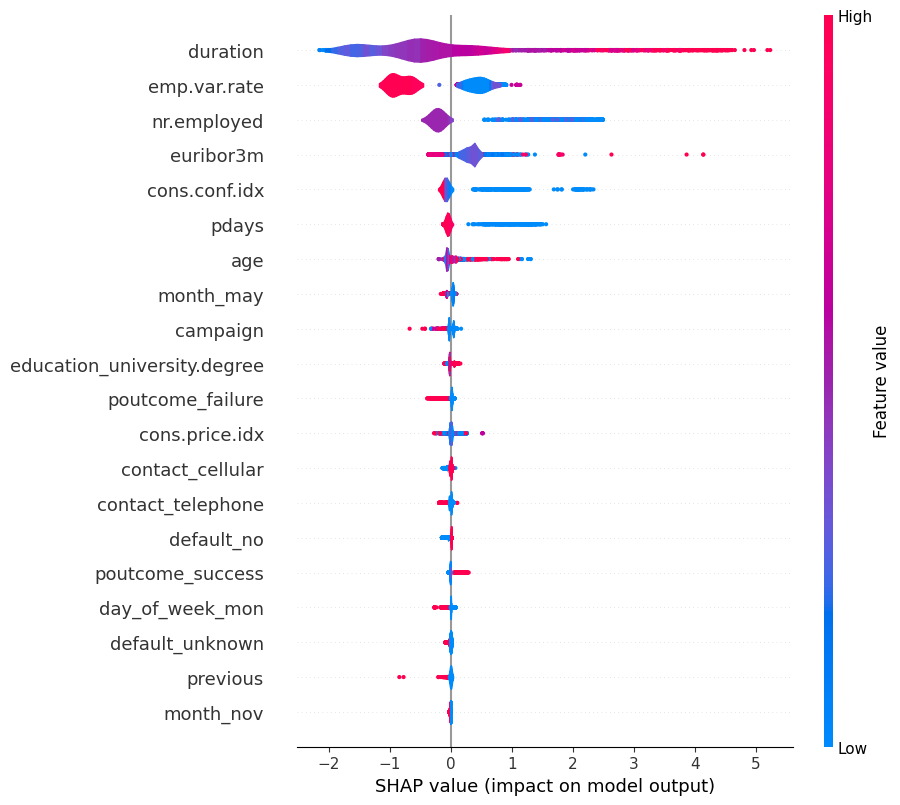
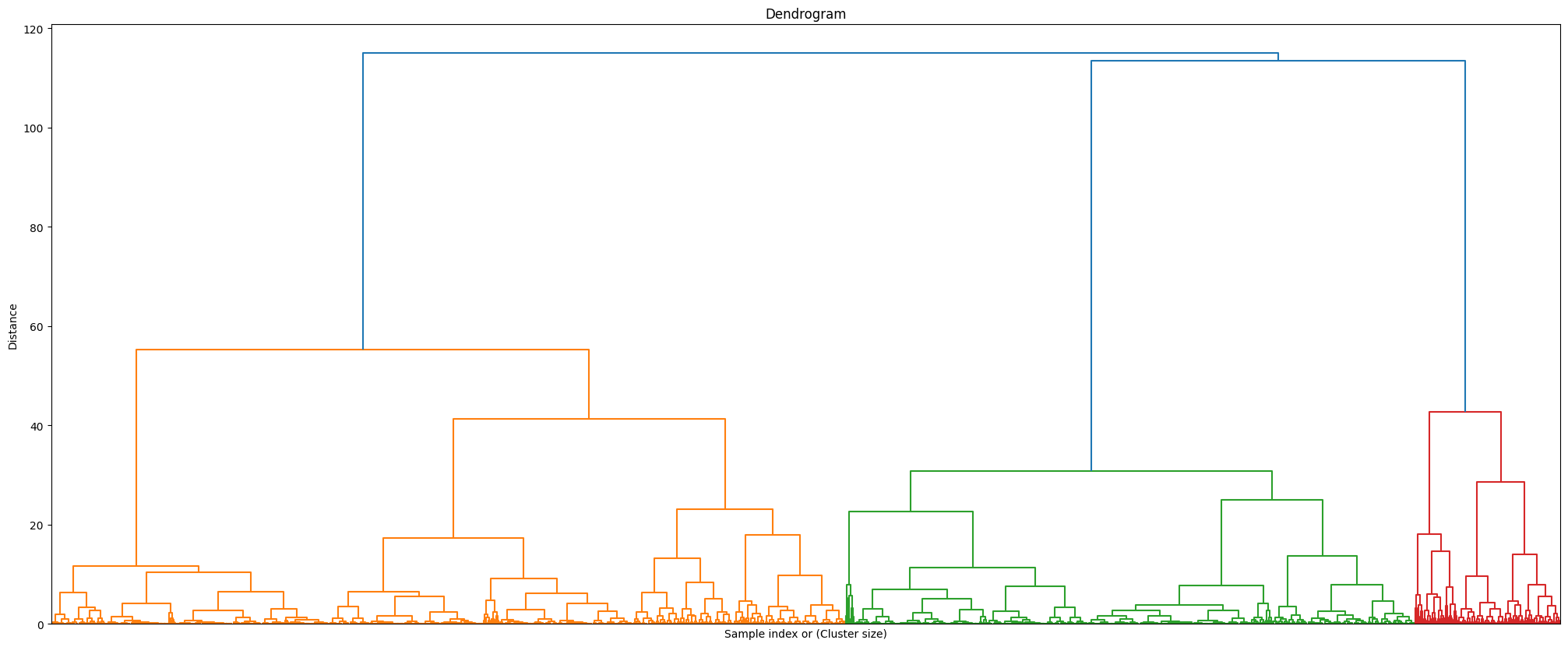
A selection of my data visualisation techniques
Contact Me
Interested in working together? Fill out the form below, and I'll get back to you promptly.
Location
Based in London, UK